West Michigan PBL Network
  • Home
  • Who We Are
  • PBL Experiences
    • ELE PBL Experiences
    • MS PBL Experiences
    • HS PBL Experiences
  • Resources
  • Protocol Examples
  • Community / Industry Partners
                           Waste Not, Want Not!
                                                                       By: Aaron Eling

Project at a Glance :

The purpose of this project is to incorporate Project Based Learning into the existing 6th grade Science curriculum in a way that is both meaningful and impactful to others.  The project focuses on the Cycling of Energy and Matter through Food Webs unit.  Students will uncover how an unorthodox partnership between school and a local farmer can help keep food waste out of landfills and reduce the environmental impact of food.


Driving Question:

How can we reduce waste in our cafeteria?

    

Picture
Picture
Standards:
  • LS1.C: Organization for Matter and Energy Flow in Organisms (MS-LS1-7)
  • LS2.B: Cycle of Matter and Energy Transfer in Ecosystems (MS-LS2-3)
Team / Culture Building:
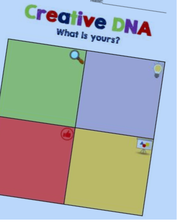
  •  Creative DNA ​
Picture
  • Inner Heroes protocol to help students identify the distribution of “heroes” within the group and identify some strategies for effective communication.
​Entry Event:
  • Introduce students to the food services kitchen lead who will explain the process of feeding 900+ 5th/6th graders five days a week, and the head custodian who will explain the process of collecting and disposing of trash from the cafeteria each day. 
  • Ask students to track what they had for breakfast and start to realize the source of food is from the soil. 
Picture
Stakeholders:
  • Head custodian
  • Students in lunchroom
  • Para-pros in lunchroom
  • Students in classrooms
  • Educators
Empathy Building:
  • Different groups of students will create an Empathy Map for each group of stakeholders and share their findings.
Inquiry / Need to Knows:
  • Stakeholder Maps - the goal is for students to create the Stakeholder Map prior to creating Empathy Maps with them determining who the stakeholders are on their own.
  • Friend or Foe 
  • Pains/Gains
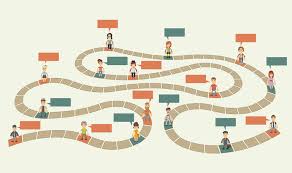
  • Journey Maps could be used in multiple ways depending on the process students want to observe.​
Picture
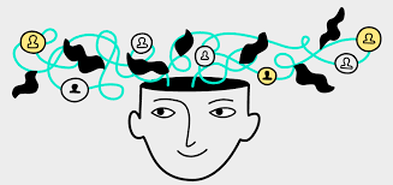
  • Biomimicry could be useful since part of the driving question and potential solution deals with a naturally occurring process.​​
Picture
Incubation:
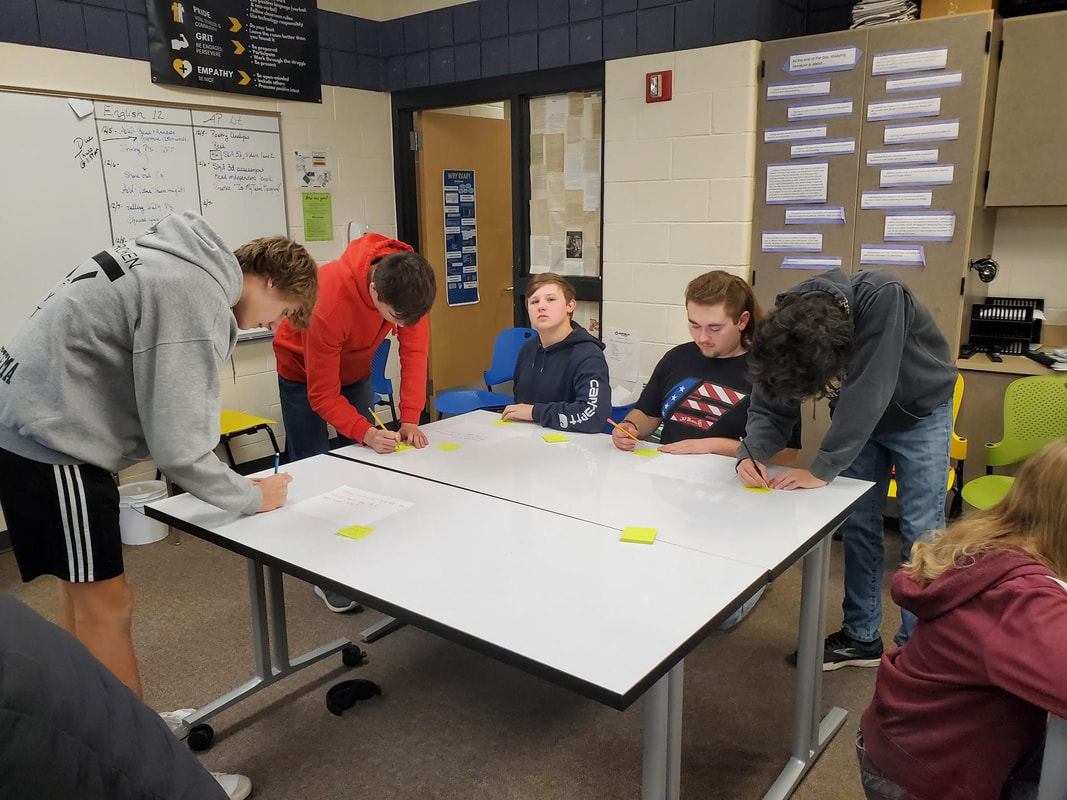
  • Idea Quota - Students will generate 100 solution ideas for the DQ​
Picture
 
  • Subtract Something 
  • How Would _____ Solve This?  Ask students to  imagine solving the driving question from the perspective of each of the stakeholders.
  • “Yes, and can it …” 
  • "I like... I wish... what If?
Picture

Picture
Solution Building:
  • Start with the Affinity Mapping protocol to help students quickly identify patterns or themes within their ideas. 
  • Filtering and Objectives - this  protocol is similar to criteria and constraints found throughout the Science and Engineering Practices in Next Generation Science Standards.
  • Followed by a Poster Session and Dot Voting by to narrow down ideas.
  • Gallery Walk - use this protocol in class frequently because it is a great way for students to gather a large amount of feedback in a relatively short amount of time. There is also a lot of flexibility in how this can be set up and run within the classroom. Asking students to give feedback in the form of I like . . . and I wonder . . .
Picture
Authentic Audience:
  • Head custodian
  • Students in lunchroom
  • Para-pros in lunchroom
  • Students in classrooms
  • Educators
  • Food service workers
Final Presentation:
  • In addition to creating a Google Slides presentation and/or an informational poster, students will be required to pitch their idea and include a prototype.​​
Picture
Picture
Reflection and Feedback:
  • Student groups will self-evaluate using the NUF Test  prior to their presentation.  There will be an informal Q&A with the audience following their presentation at which time groups will receive feedback from each audience member based upon the NUF Test as well. 
  • Use the Start Stop Continue protocol for self reflection.

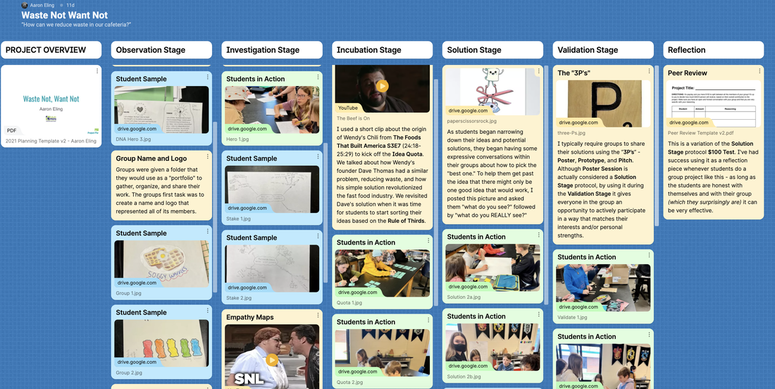
Click here for the teacher's  Journey through PBL on Padlet . . .
Picture
Meet the Educator:

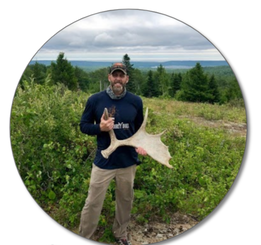
Aaron Eling teaches 6th grade Science and Social Studies at White Pines Intermediate School in Grand Haven, MI.

“My goal is to help my students shift from being passive users to active creators and help them understand how STEAM and PBL in the classroom can lead to positive change in the real-world.”

Picture
Picture
Picture
Picture
Picture
Picture
Picture
Proudly powered by Weebly
  • Home
  • Who We Are
  • PBL Experiences
    • ELE PBL Experiences
    • MS PBL Experiences
    • HS PBL Experiences
  • Resources
  • Protocol Examples
  • Community / Industry Partners