West Michigan PBL Network
  • Home
  • Who We Are
  • PBL Experiences
    • ELE PBL Experiences
    • MS PBL Experiences
    • HS PBL Experiences
  • Resources
  • Protocol Examples
  • Community / Industry Partners
                                                     The Many Voices of America
​                                   
By:  John Green

Project at a Glance :

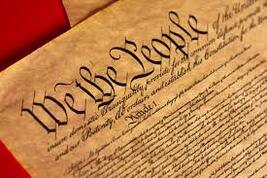
This project was for a ninth grade Civics class. It was designed to give the students an in-depth understanding of the Declaration of Independence as well as other foundational documents that influenced our government.        
 
Driving Question:
​

How can we capture America’s many voices to reflect who we are?             

Picture
Standards:  
  • C 2.1 & C2.2 
Picture
Team / Culture Building:
  • Team building will focus on everyone having a voice and how that voice can be part of the fabric of our country.
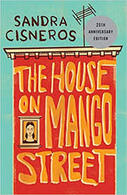
  • Incorporate The House on Mango Street and the meaning of names vignette.​
Picture
Entry Event:
  • Listen to a variety of songs about the country; possibly have students make their own music video.
Picture
Stakeholders:
  • United States citizens
  • People new to the United States
  • People just learning about the Declaration of Independence
  • Our leaders
  • Potential voters
Empathy Building:
  • Empathy Maps
  • Encourage students to feel safe in speaking their minds
Inquiry / Need to Knows:
  • Consider the many different voices and perspectives in America
  • Guided reading of the Declaration of Independence
  •  What do the promises of the D of I mean for different groups:  African-American, Asian-American (Recognize the vastness of Asia - Japanese, Chinese) LatinX, LGBTQ, Appalachian, Native American)
  • Watch the following video:  https://www.youtube.com/watch?v=nDJUi38mH4Y
  • Invite guest speakers with unique experiences to come in and share their stories.
  • Introduce - Walt Whitman and Langston Hughes as American writers who used their voice to express ideas.
Picture
Incubation:
  • Start with a Pluses and Deltas protocol answering the following questions -  Where are we, Where do we want to go?
  • At this point, students need to start thinking about Creating/Building Prototypes - How can they create something to best represent the voice of the people?
  • Bring in outside examples of people who thought outside the box - Gregg Popovich, Phineas and Ferb, Frida Kahlo, etc.
  • Use the Idea Quota protocol for generating new ideas.
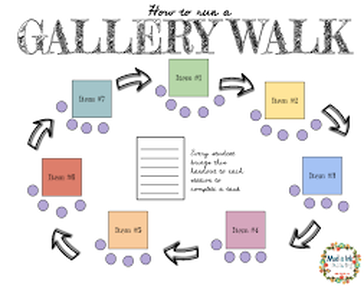
  • Gallery Walk of the ideas
  • Students will develop an Elevator Pitch to explain  project to someone outside the class and group for feedback.​
Picture

Picture
Solution Building:
  • After developing ideas students will use the following protocols to test and narrow down their ideas.
  •  NUF Test
  • $100 Test 
  • Dot Voting

Critique and Revision: 
  • Students will engage in the Critical Friends protocol asking the questions:  Does your project represent the voice that you researched? What can be changed to better answer the driving question?
  • Next, students will engage in the Charette protocol, including outside experts for additional feedback. 
Picture
Authentic Audience:
  • Government Students
Final Presentation:
  • Students will create a multimedia presentation such as a - podcast, film, graphic novel, visual art, song, or poetry to pitch to their authentic audience.​
Picture
Picture
Click here for teacher's full plan.

​​Reflection and Feedback:
Click here for Skills4Success rubric.
Picture

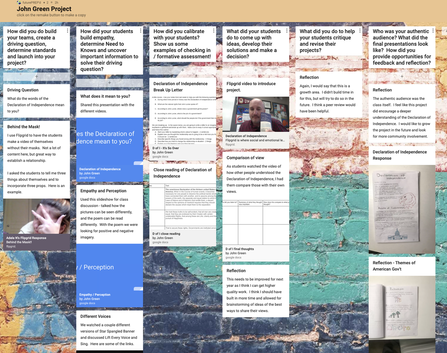
Click here for the  teacher's Journey through PBL on Padlet.
Picture
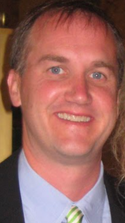
Meet the Educator:
John Green teaches Civics,
Economics, AP American Government and Politics, and English 12 at Saugatuck HIgh School.  

      "I love how Project Based Learning allows students to have more ownership over their learning and how they can demonstrate their learning in different ways."​
Picture
Proudly powered by Weebly
  • Home
  • Who We Are
  • PBL Experiences
    • ELE PBL Experiences
    • MS PBL Experiences
    • HS PBL Experiences
  • Resources
  • Protocol Examples
  • Community / Industry Partners