West Michigan PBL Network
  • Home
  • Who We Are
  • PBL Experiences
    • ELE PBL Experiences
    • MS PBL Experiences
    • HS PBL Experiences
  • Resources
  • Protocol Examples
  • Community / Industry Partners
                       The Power of Positive Family Relationships
                               By:  Christine Tease

Project at a Glance :

This project is for 9th grade English students who have read Romeo and Juliet.  It takes an in depth look at the role of empowerment within families.

        
Driving Question:

How can we build positive family relationships so that all members feel empowered?

             

Picture
Standards:
  • CCSS.ELA - Literacy.SL 9-10.1, .2, & 3
Team / Culture Building:
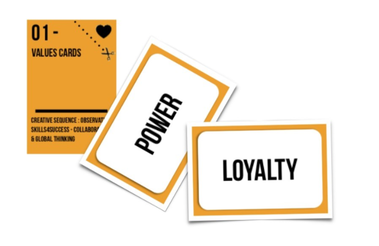
  • Values Cards - students will be grouped based on values cards activity. ​
Picture
Entry Event:
  • Invite  the School Social Worker come in to discuss family relationships and how they can impact kids.  
  • Show movie clips to illustrate the idea of family empowerment.​
Picture
Stakeholders:
  • Students
  • Parents
  • School & Community members​
Empathy Building:
  • Students will create Empathy Maps to illustrate various stakeholders perspectives.
Inquiry / Need to Knows:
  •  Groups will explore - What is empowerment?  How can we contrast this with the definition of power? What does healthy and positive family relationships look like. How is the idea of empowerment part of that?
  • Invite a panel of experts including: School Social Worker, Mental Health Counselor, and School Counselor for interviews
  • Family and Peer interviews​​
Picture
Incubation:
  • Think Pair Share - Fill an index card with ideas. ​Discuss all ideas as a whole group one class period / brainstorm next class period​.   
Picture
  • 3 - 12 - 3 protocol
  • Idea Quota 100 ideas in 10 minutes
  • Free Write / Highlight big ideas​

Picture
Solution Building:
  • Using ideas generated from the 100 ideas protocol students will work in small groups creating a list of Pluses and Deltas for each idea. Invite school guidance counselor to help facilitate small group discussion.
Critique and Revision: 
  • Seeking a Skeptic
  • Feedback from a counselor and teacher.​
  • Invite parents/families in to listen and provide feedback for the rough draft products.

Picture
Picture
Authentic Audience:​
  • Parents and families
Final Presentation:
  •  Based on what they’ve learned from the previous stages, students will choose a family activity to create (build a prototype) and use it with their own families. Also, students will be able to choose how to present this to their authentic audience.​

Picture
Picture
Resources:
  • ​Click here for teacher's full plan.​
​
Picture
Reflection and Feedback:
  • ​Feedback forms.
  • One on one discussion / small group discussion.
  • Personal reflection.
  • Family reflection after completing the created family activity.​
  • Teacher rubric using standards and skills for success.
  • Parent/family rubric or feedback form. ​

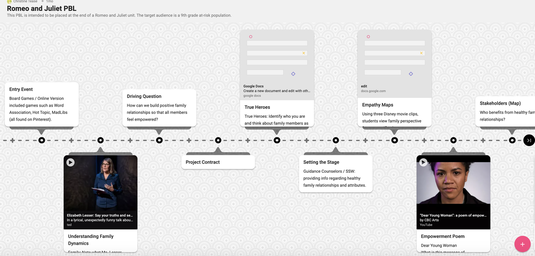
Click here for the  teacher's Journey through PBL on Padlet.
Picture
Meet the Educator:
Christine Tease teaches English 9 & 10 and works with At Risk students at Jenison High School.  

     "PBL allows students to become immersed in a project that holds meaning through it authenticity." 
Picture
Proudly powered by Weebly
  • Home
  • Who We Are
  • PBL Experiences
    • ELE PBL Experiences
    • MS PBL Experiences
    • HS PBL Experiences
  • Resources
  • Protocol Examples
  • Community / Industry Partners