West Michigan PBL Network
  • Home
  • Who We Are
  • PBL Experiences
    • ELE PBL Experiences
    • MS PBL Experiences
    • HS PBL Experiences
  • Resources
  • Protocol Examples
  • Community / Industry Partners
           Rose Park Ranch Market
                   By:  Danielle Snoeyink & Kimberly VanderZwaag ​

Project at a Glance :

This project introduces 4th grade students to a variety of Science, Math, and Economics standards while exploring the value of fresh garden produce and how it can go from farm to table.   
 
Driving Question:


How can we market the produce from the Rose Park Ranch? How can we create a market economy within our classroom? How might we create a successful school farm store that is corrected/rooted in our curriculum/community?             

Picture
Picture
Standards:
  • Grade 4 Economic Stds:  E1.0.0 - 4 - E1.0.8, 4 - E2.0.1, 4 - E3.0.1, 4 - C3.0.7, & 4 - H3.0.5
Team / Culture Building:
  • True Heroes Protocol
  • Strengths assessment - is there something good for children?
Entry Event:
  • Field Trip to the Holland Farmers Market (interview, observe, pricing)​
Picture
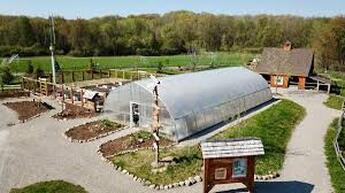
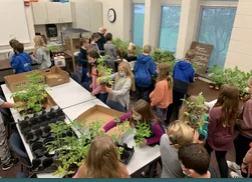
  • Visit Ada Christian’s Hoop House and market​
Picture
  • Visit a local farm and talk to farmer/s
Picture
Stakeholders:
  • District Advancement Director 
  • Ranch hands (students/grade levels/families)
  • Customers
  • Recipients of donations
  • Rose Park School
Empathy Building:
  • Create Empathy Maps for each stakeholder
  • Need to Knows - what do we know? what do we wonder? what did we learn?
Inquiry / Need to Knows:
  • Document observations from the Farmer's Market visit, interview, business owners
  • Bring in business owners - learn how to present in a formal manner with business meeting protocol [eye contact, dress, etc.] - teams of students move from table to table to interview them 
  • Fishbowl strategy to reconvene and share ideas after interviews
Picture
Picture
Incubation:
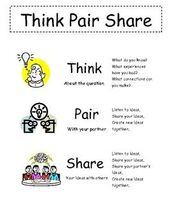
Think - pair - share
Picture
  • Idea Quota - to generate solution ideas
  • Rule of Thirds  - flush out expected, crazy, and breakthrough ideas
  • What if ________ were ________?​ protocol to take into account how others solve problems.
Picture

  • Yes, and….? protocol to expand on ideas
  • How would _______ solve this?
  • Anti-Problem protocol

Picture
Solution Building:
  • Group the 100 ideas into topics using the Group and Saturate protocol
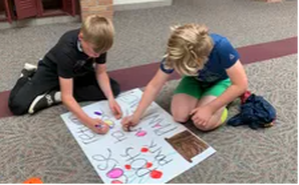
  • Use the NUF and $100 Tests to narrow down solution ideas, followed by a Poster Session to share ideas for feedback.
Critique and Revision: 
  •  Invite local business owners in to give suggestions/feedback.
  • Present plan to Director of Advancement for feedback.​
Picture
Authentic Audience:
  • ​Principal
  • Donors
  • Agricultural assistants
  • Superintendent
Final Presentation:
  • Use Flipgrid to pitch ideas to a variety of authentic audiences.
Picture
Click here for teacher's full plan.

​
Reflection and Feedback:
  • Rubric/Questionnaire for authentic audience to fill out based on our pitch​
Picture

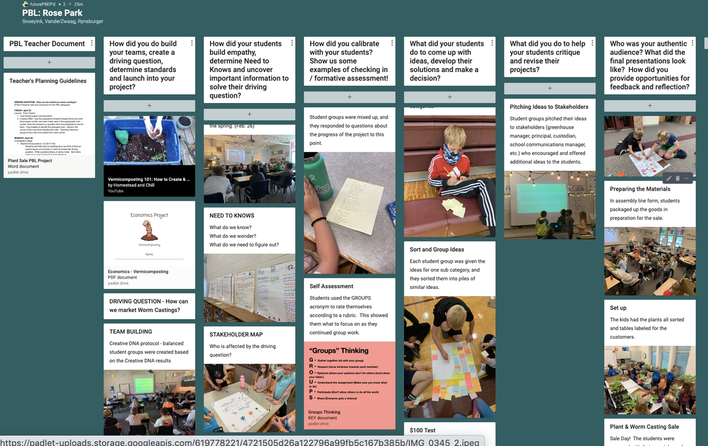
Click here for the  teacher's Journey through PBL on Padlet.
Picture
Meet the Educator:
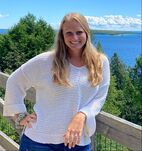
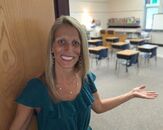
Danielle Snoeyink and Kimberly VanderZwaag both teach 4th grade at Rose Park Elementary, Holland Christian Schools.  

     "PBL and Design Thinking brings out a new class of students. Normal routines and typical classroom work does not allow for every student to shine. If PBL and Design Thinking are a part of the instruction, the teacher is introduced to a new class of learners, thinkers, problem solvers, and encouragers. A new classroom community is built right before your eyes." ~ D. Snoeyink

     "PBL allows kids to take ownership of their learning and explore their own strengths and interests as they prepare for their future." ~ K. VanderZwaag
Picture
Picture
Picture
Picture
Picture
Picture
Picture
Picture
Proudly powered by Weebly
  • Home
  • Who We Are
  • PBL Experiences
    • ELE PBL Experiences
    • MS PBL Experiences
    • HS PBL Experiences
  • Resources
  • Protocol Examples
  • Community / Industry Partners