West Michigan PBL Network
  • Home
  • Who We Are
  • PBL Experiences
    • ELE PBL Experiences
    • MS PBL Experiences
    • HS PBL Experiences
  • Resources
  • Protocol Examples
  • Community / Industry Partners
                             Argument & Advocacy
                                                                      By:  Emmie Scheffler

Project at a Glance :

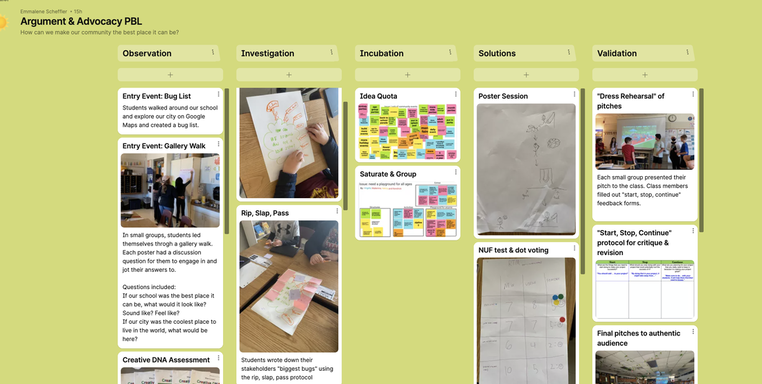
This project is for 5th graders who are focusing on the skills on research, argument, and advocacy. The project will be used a culmination project for the Lucy Calkin’s “Argument & Advocacy” unit of reading. However, this could fit into any 5th grade ELA curriculum focused on research & debate standards.  Small groups of students will identify, research, and propose a solution to a local/community issue.  This unit is roughly 4 weeks.       
 
Driving Question:


How can we research and advocate for a local issue? ​           

Picture
Standards:
  • W.5.1 - Write opinion pieces on topics or texts, supporting a point of view with reasons and information.
  • RI.5.7-  Draw on information from multiple print or digital sources, demonstrating the ability to locate an answer to a question quickly or to solve a problem efficiently.
  • RI.5.6- Analyze multiple accounts of the same event or topic, noting important similarities and differences in the point of view they represent.
  • SL.5.1 - Engage effectively in a range of collaborative discussions (one-on-one, in groups, and teacher-led) with diverse partners on grade 5 topics and texts, building on others' ideas and expressing their own clearly.
  • Skills4Success - Communication, Collaboration, Research and Investigation, and  Critical Thinking & Problem Solving
Team / Culture Building:
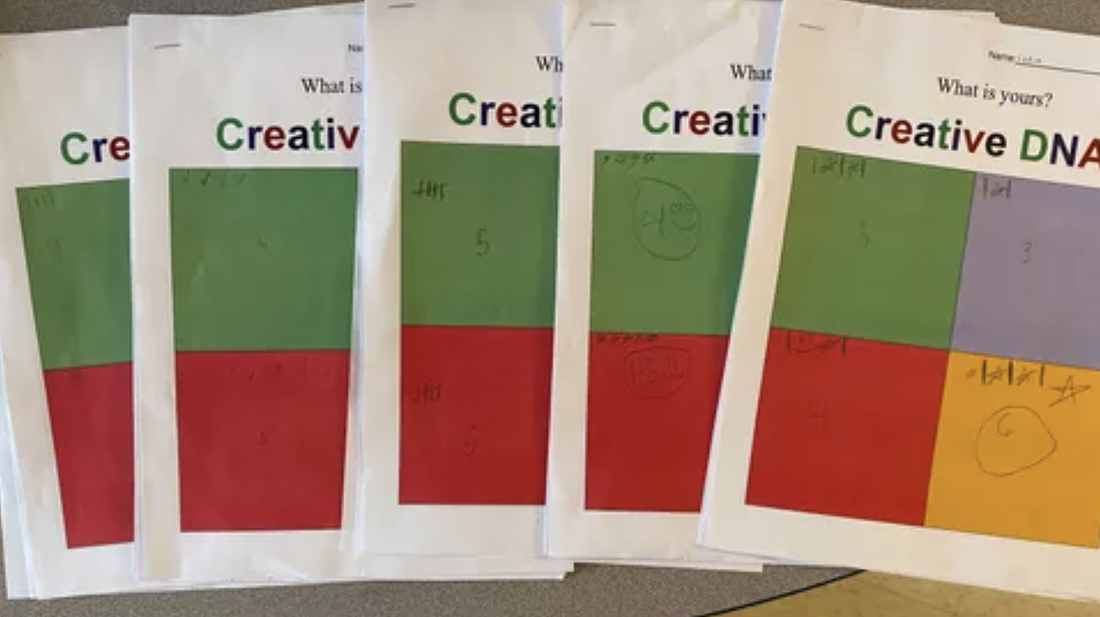
  • Creative DNA/Sequence assessment will be used to create successful teams. ​​
Picture
  • Once teams are made, students will complete the Inner Hero protocol to build culture.
  • Values Cards
  • Hopes, Fears, and Norms 
Entry Event:
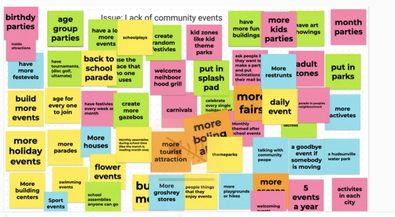
  • Bug List - take a virtual field trip around the city to identify 'bugs'.
Picture
Stakeholders:
  • Students
  • Teachers
  • Teens
  • Community Members
  • Pets
Empathy Building:
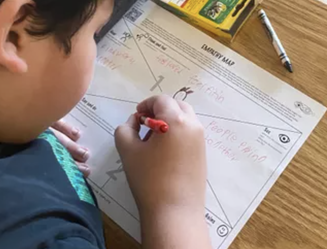
  • Students will create Empathy Maps for various stakeholders.​​
Picture
Inquiry/Need t Knows:
  • Stakeholder Map - identify who they are, split into small groups 
  • Stakeholder Bug List, biggest bug & pass.
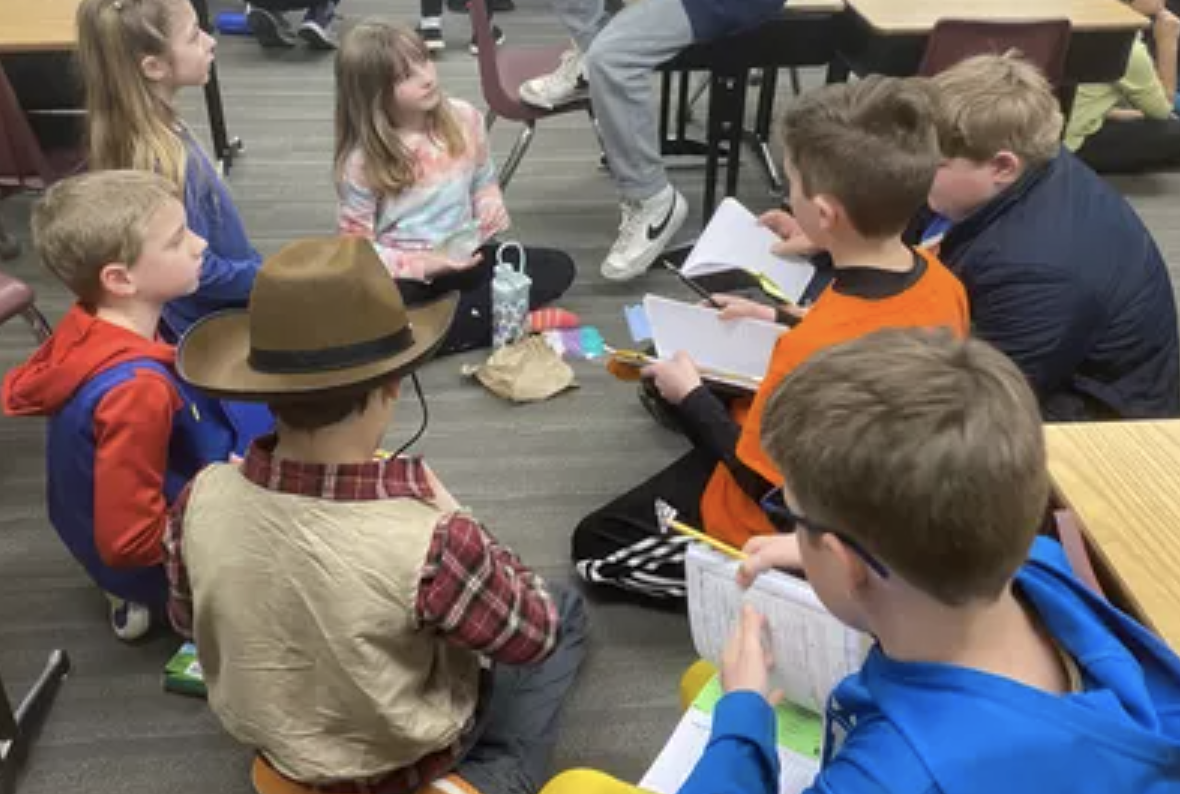
  • Each small group will complete the Need to Know protocol asking - What do we need to know about our groups issue? 
  • Small groups will begin researching their issue.
  • Interviews: QFT protocol, use Dot Voting to determine best interview questions.
Picture
  • Read & analyze various sources (tie into literacy standards). ​
Picture
Incubation:
  • Model brainstorming with student
  • ​Incorporate team building exercises 
  • Anti-problem ​
Picture
  • Idea quota ​
Picture
  • Mind Mapping 
Checking in:
  • Ongoing check-ins with student
  • Ask parent volunteers to ask probing questions about solution/pitch 
  • Top 10 list
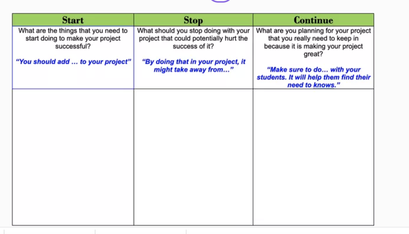
  • Pluses and Deltas
  • Talking Chips
  • emoji faces 
  • Anything goes questions 
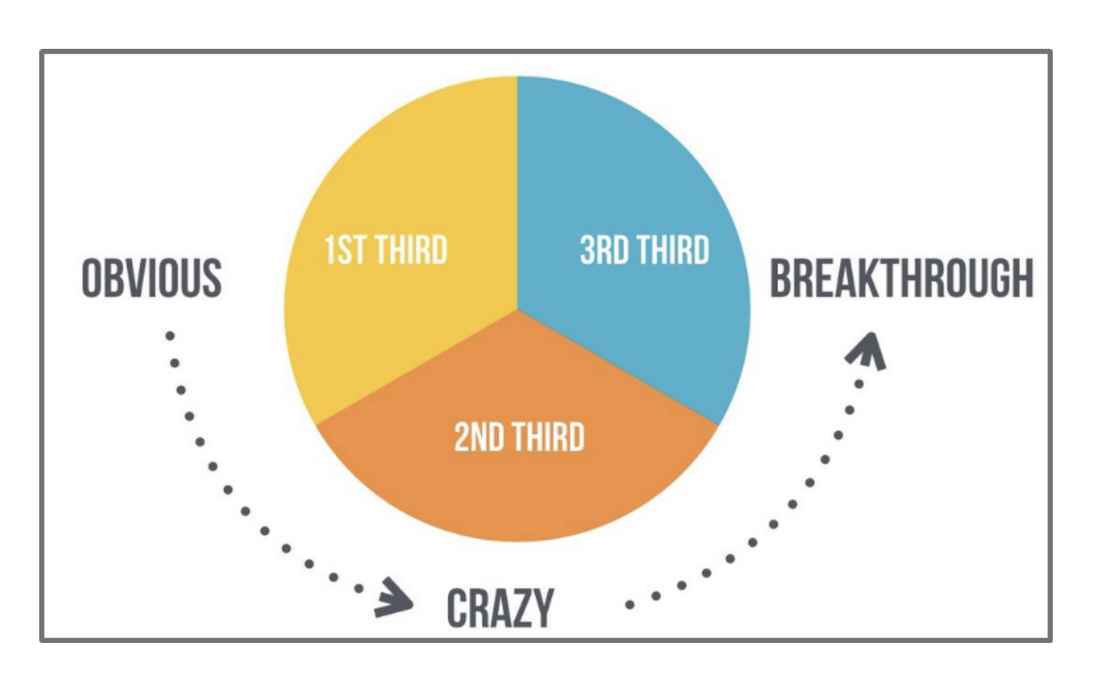
  • Rule of Thirds– print out poster of image to refer to & check in.
Picture

Picture
Solution Building:
  • Narrow 100 ideas (post-it notes or jamboard) into categories or 4 groups- label the categories, use Dot Voting to determine the best solution ideas
  • Reference 100 ideas and Mind Maps created earlier and use the NUF Test to determine potential solution ideas
  • Individuals or partners select one idea from 100 ideas & mind map to do a poster session (≤10-12 words)
  • Small group poster pitch
  • NUF test of all ideas presented in poster pitch 
  • Sticker voting to select final small group idea.
Critique and Revision: 
  • Students will choose their final solution by putting all potential ideas through the NUF test, then by dot voting. 
  • Use Talking Chips Check in - giving glows and grows feedback.
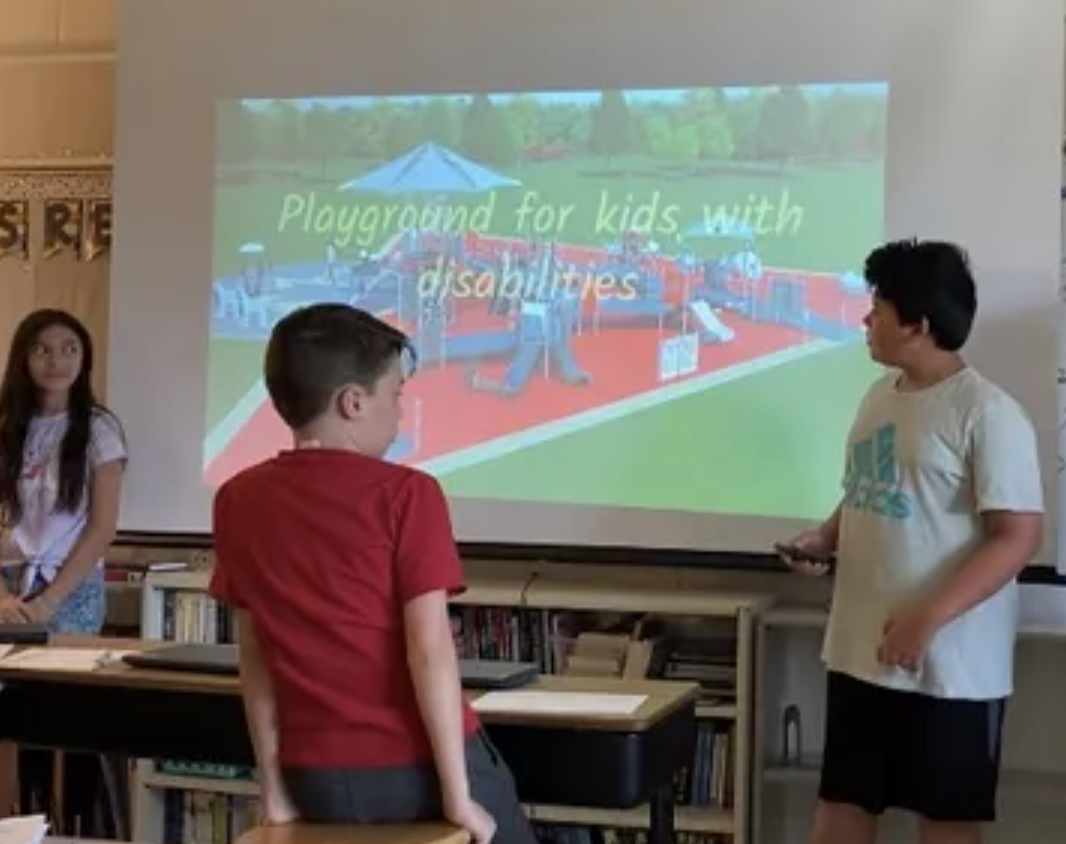
  • Survey  stakeholders-ie, older students, business partners, etc. get feedback-get First Graders to explain the What and the Why of their solution ideas.
  • Gallery Walk - sharing their ideas and getting feedback in the form of I like . . . because, I wonder . . .
  •  Present ideas to stakeholders, and revise if necessary.
Picture
Authentic Audience:
  • Principal
  • Teachers
  • Students
  • School  staff members
  • Community members 
  • Parents​
Picture
Final Presentation:
  • Students will write argumentative speeches/letters/essays/presentations about their groups solutions (literacy standards), groups will combine argumentative writing to create a “Ted Talk” to present to our authentic audience.
  • Students will have a choice of how they would like to write about their group’s solution (speech, letter, essay, or presentation). 
  • Groups will reflect on their creative DNA to decide presentation roles. 
Picture
Click here for teacher's full plan.

​
Reflection and Feedback:
  • Lucy Calkins 5th grade argumentative writing and speaking rubrics.
  • Audience members will fill out student made feedback forms. 
  • Whole group (norms) and/or team reflection rubric.
  • Self assessment reflection (“Inner Heroes” survey? or Creative DNA post assessment.
Picture
Picture
Picture
Meet the Educator:
​

Emmie Scheffler teaches 5th grade for Hudsonville Public Schools.

     "Project Based Learning has created paved the way for authentic, hands on learning in my classroom. My student’s love having the opportunity to collaborate with each other and with the stakeholders in our community."
Picture
Picture
Picture
Picture
Picture
Picture
Picture
Proudly powered by Weebly
  • Home
  • Who We Are
  • PBL Experiences
    • ELE PBL Experiences
    • MS PBL Experiences
    • HS PBL Experiences
  • Resources
  • Protocol Examples
  • Community / Industry Partners