West Michigan PBL Network
  • Home
  • Who We Are
  • PBL Experiences
    • ELE PBL Experiences
    • MS PBL Experiences
    • HS PBL Experiences
  • Resources
  • Protocol Examples
  • Community / Industry Partners
                            What's for Dinner?
                                                                   By:  Nicole Robb

Project at a Glance :

This project is for 4th grade students in correlation with our economics unit.  It explores how a local business, The Southerner Restaurant, works through economic decisions.  The project allows for students to help address a problem a local business is trying to solve.  Additionally, the project focuses a variety of  English standards including reading, writing, and speaking standards. This unit is approximately 3-4 weeks, depending on availability of business owner.         
 
Driving Question:

How might the Southerner restaurant attract more customers Monday - Thursday during the off season?

             

Picture
Picture
Standards:
  • Research
  • Persuasive writing
  • Collaboration
  • Problem solving
  • Speaking and listening skills
Team / Culture Building:
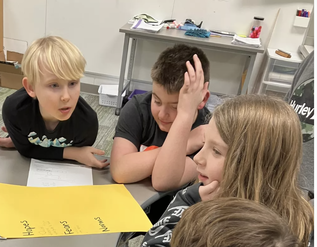
  • Hopes, Fears, & Norms​​
Picture
  • Creative DNA
Picture
  • Depending on class size, students will work with teams of 4-5.  
Entry Event:
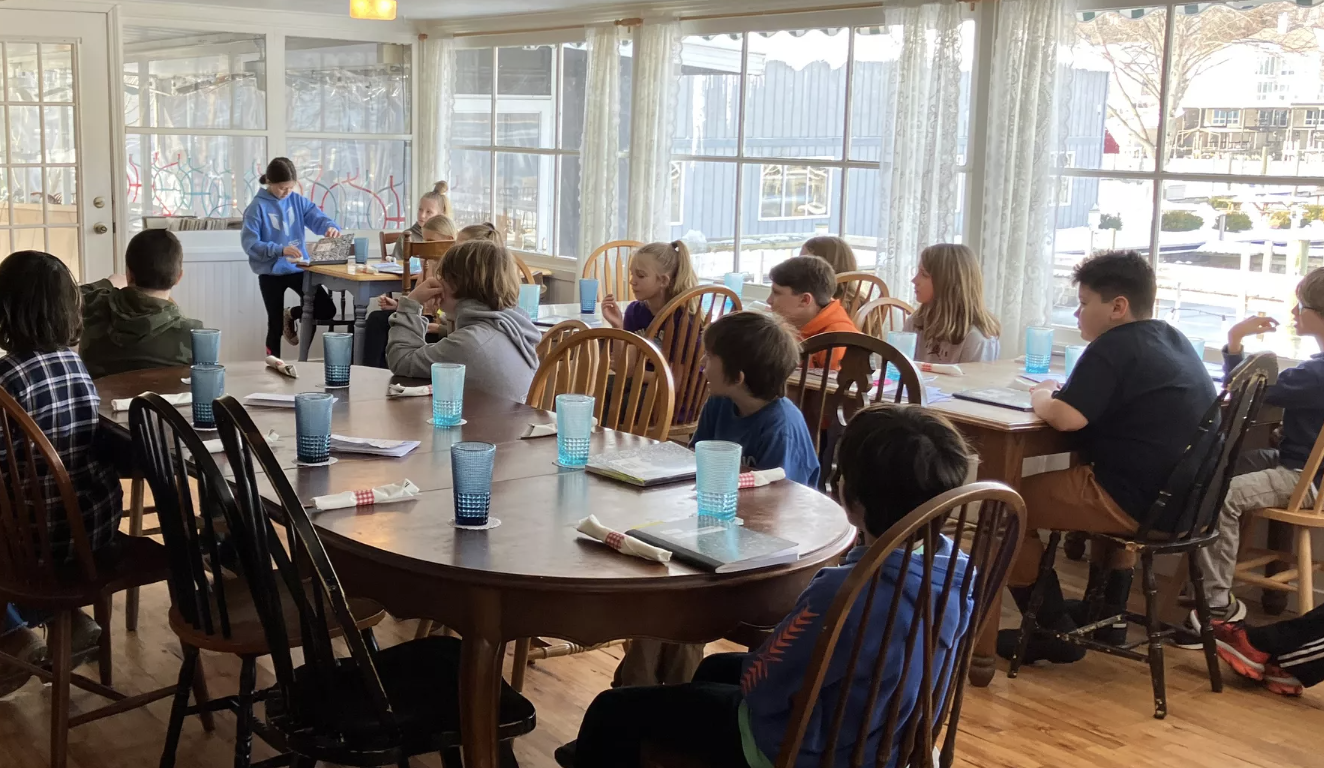
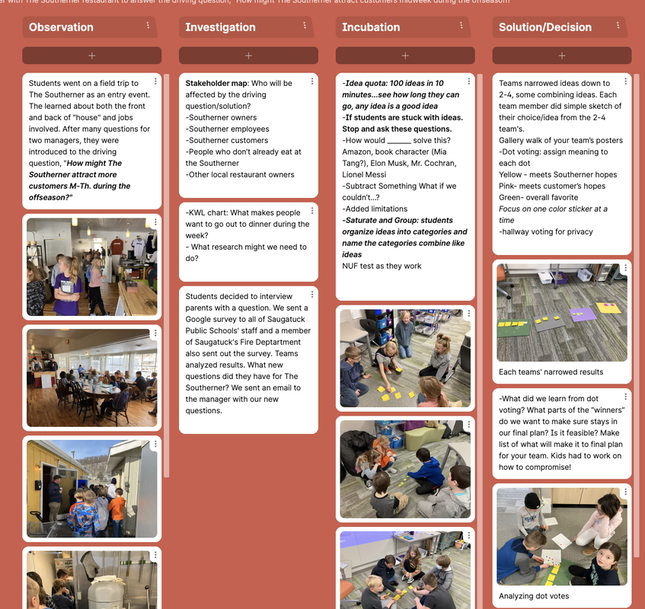
  • Field trip to The Southerner Restaurant in Saugatuck.
Picture
Picture
Stakeholders:
  • Southerner owners
  • Southerner customers
  • Saugatuck Douglas Area Business Association members
Empathy Building:
  • Stakeholder map - Choose 2 main stakeholders and teams do empathy maps for each (if less time, teams do one empathy map and share out).
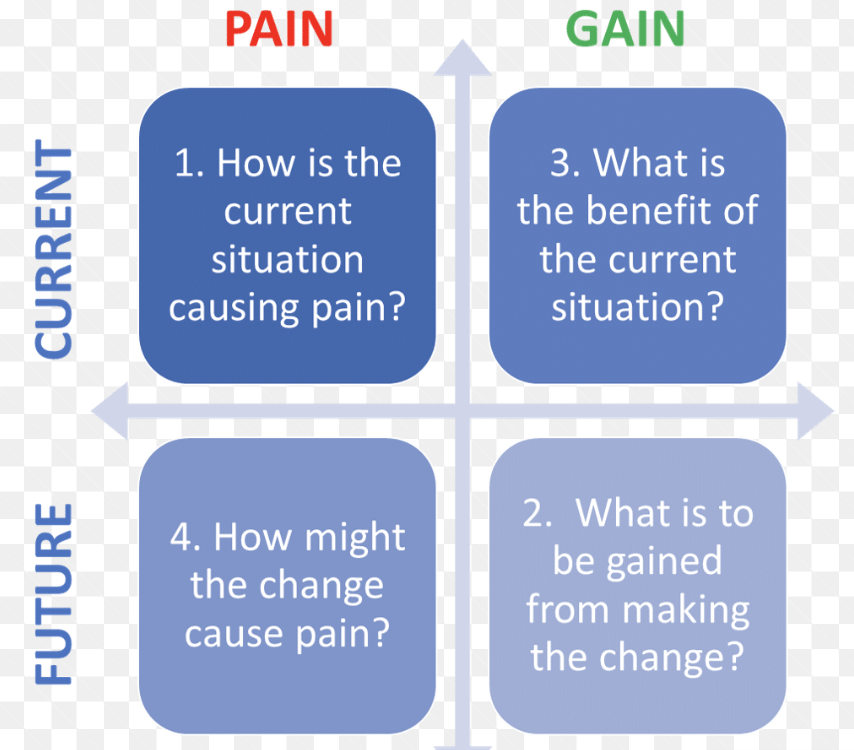
  • Create a Pains and Gains chart for business owner.​
Picture
Inquiry / Need to Knows:
  •  KWL - Focus on what they know about the business based on initial visit.  What did they learn from the owner?  What do they now wonder? 
  • Interview business owner
  • Google research (possibly using jigsaw with teams read various economic articles).
  • Possibly interview families (as possible customers).​
Picture
Incubation:
  • Idea quota: generate 100 ideas in 10 minutes.  Keeping in mind, first ideas are usually basic or already done.  Next ideas are usually crazy!  Final group of ideas is where new, but feasible solutions can often be found.  Push kids past the obvious solutions. ​​
Picture
  • Use the How would _______ solve this? protocol to think about solutions in a different way.
  • Subtract Something protocol
  • Ask the questions - What if we didn’t have_______________________?, What if we were not allowed __________________?
??????Amazon, book character, a restaurant owner, Mr. Cochran, Mrs. Gust, Ms. Pawlak, a dog 
Checking in:
  • Circulate with groups listening in and asking questions.  
  • How Might We . . . Consider if  the driving question need to be adjusted? 
  • Talking Chip check ins: Each student receives 2 chips.  No one can speak past their two chips until all students have used their chips.  Teach students to ask each other, “What do you think about that?” 

Picture
Solution Building:
  •  As students start to build their solution ideas they will need to keep the driving question in mind and review the needs of the business owner based on interview.  
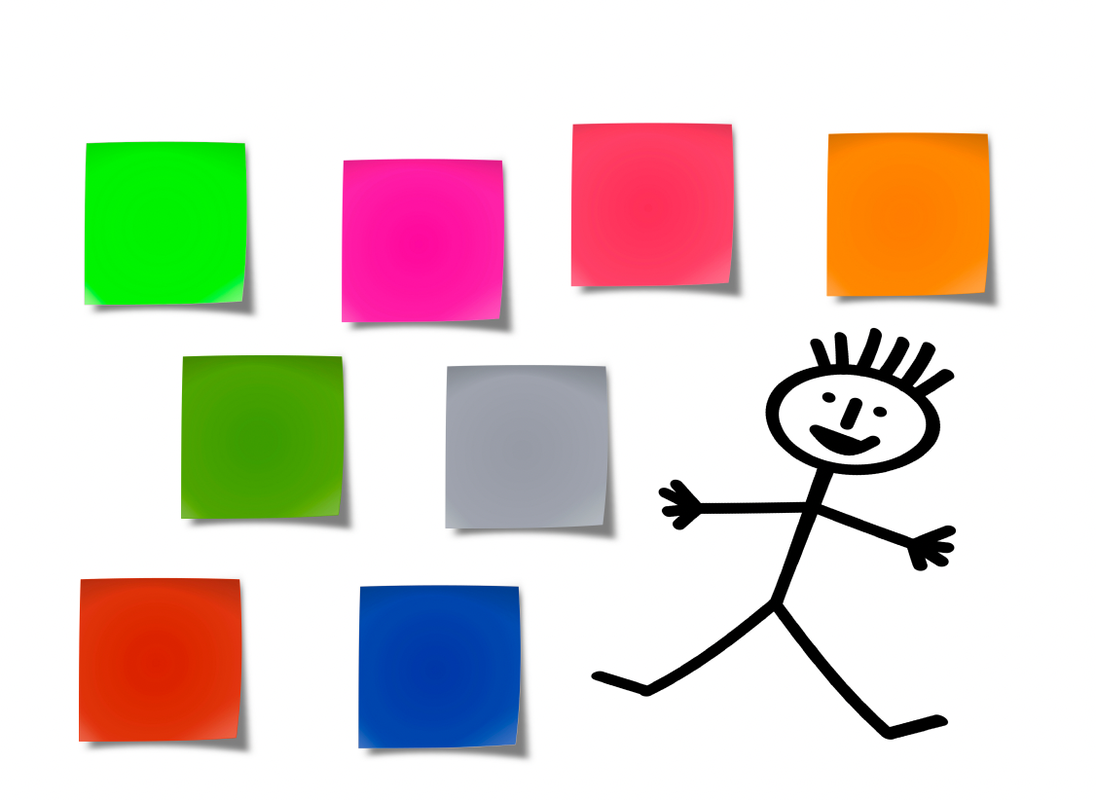
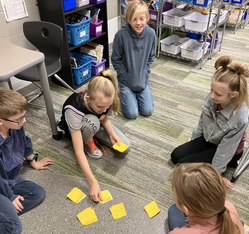
  • Each team participates in a  Saturate and Group activity to categorize sticky notes in any manner they decide.  Keeping in mind, outlier ideas are still important- they might be the winning idea!  
Critique and Revision: 
  • Introduce the NUF Test evaluation BEFORE poster session, as once the kids are attached to their final idea, it’s hard to go back to this.
  • Initial narrowing, each student on the team will do simple poster of idea based on saturate and group activity.  Then color code dot vote within teams based on three colors (best for business owner, work for customer, and overall).  Discuss results with team. 
  • Students may be able to agree on an idea based on dot voting results.  If not, focus on using NUF test again o help them work through disagreements.  
  • Share ideas with business owner for feedback prior to final presentations.
Picture
Authentic Audience:
​
​

Final Presentation:
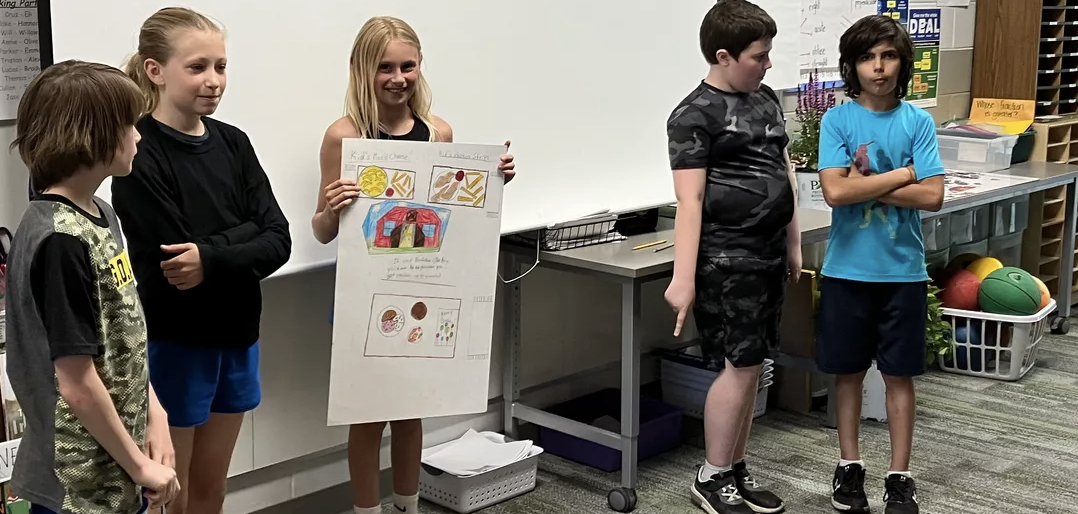
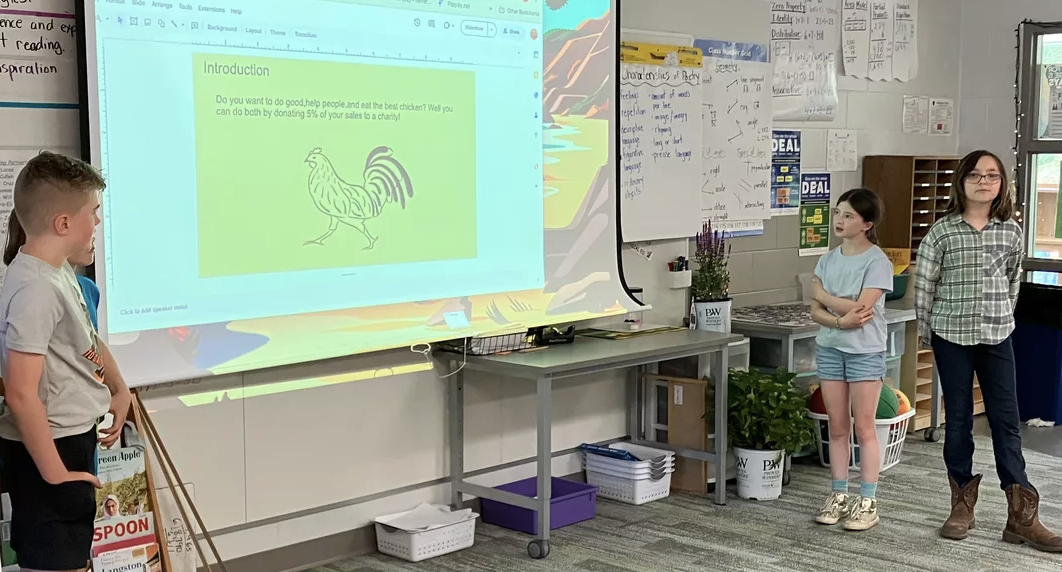
  • Students chose their presentation method.
Picture
Picture
Picture
Click here for teacher's full plan.

​
Reflection and Feedback:
  •  The teacher designed a rubric based loosely on the NUF test. 
  1. The idea is positive for both The Southerner and customers. 3 2 1
  2. The idea is NEW!  3 2 1 
  3. The plan is sustainable and easy to maintain. 3 2 1 
  • Students will reflect on what they learned through the project and what skills they can use in the future.
  • Teams will share one thing they thought their teammates did well to contribute to the project.


The tool I will use for reflection will be part of the the assessment paper. The top part is self-assessment and assessment of others on their team. The bottom/back of paper is for reflection of the process. How can they use these skills in the future?

Teams will say one thing they thought their teammate(s) did well to contribute. ​

Picture

Click here for the teacher's Journey through PBL on Padlet . . .
Picture
Meet the Educator:
Nicole Robb teaches 4th grade at Douglas Elementary, Saugatuck Public Schools.


     "We don't just solve problems, we find problems!"
Picture
Picture
Picture
Picture
Picture
Picture
Picture
Proudly powered by Weebly
  • Home
  • Who We Are
  • PBL Experiences
    • ELE PBL Experiences
    • MS PBL Experiences
    • HS PBL Experiences
  • Resources
  • Protocol Examples
  • Community / Industry Partners