West Michigan PBL Network
  • Home
  • Who We Are
  • PBL Experiences
    • ELE PBL Experiences
    • MS PBL Experiences
    • HS PBL Experiences
  • Resources
  • Protocol Examples
  • Community / Industry Partners
Eco- Friendly EGR project
By:  Christina Zink

Project at a Glance :

The 7th grade science classes will be studying environmental science (7-8 week unit) towards the beginning of the year.   This unit examines how humans can impact the quality of our land, water, and air and encourages students to brainstorm ways to preserve the health of ecosystems.   Throughout the project, students will partner with the community and explore unique ways to improve the environment in their city.  They will investigate, ask questions/interview, work as a team, and create a presentation to share with others.
       
Driving Question:

How can we help East Grand Rapids become a more eco-friendly city?        

Picture
Picture
Standards:
  • Create questions to interview a person/expert during investigation.
  • Collect data and create a graph in Google Sheets to include in presentation.  
Team / Culture Building:
  • True Heroes- this protocol gets students in the mindset that they are important and can contribute to the project.
  • Creative Sequence - will help students share their interests, preferences, and ways that they are unique.   
  • Values Cards 
Entry Event:
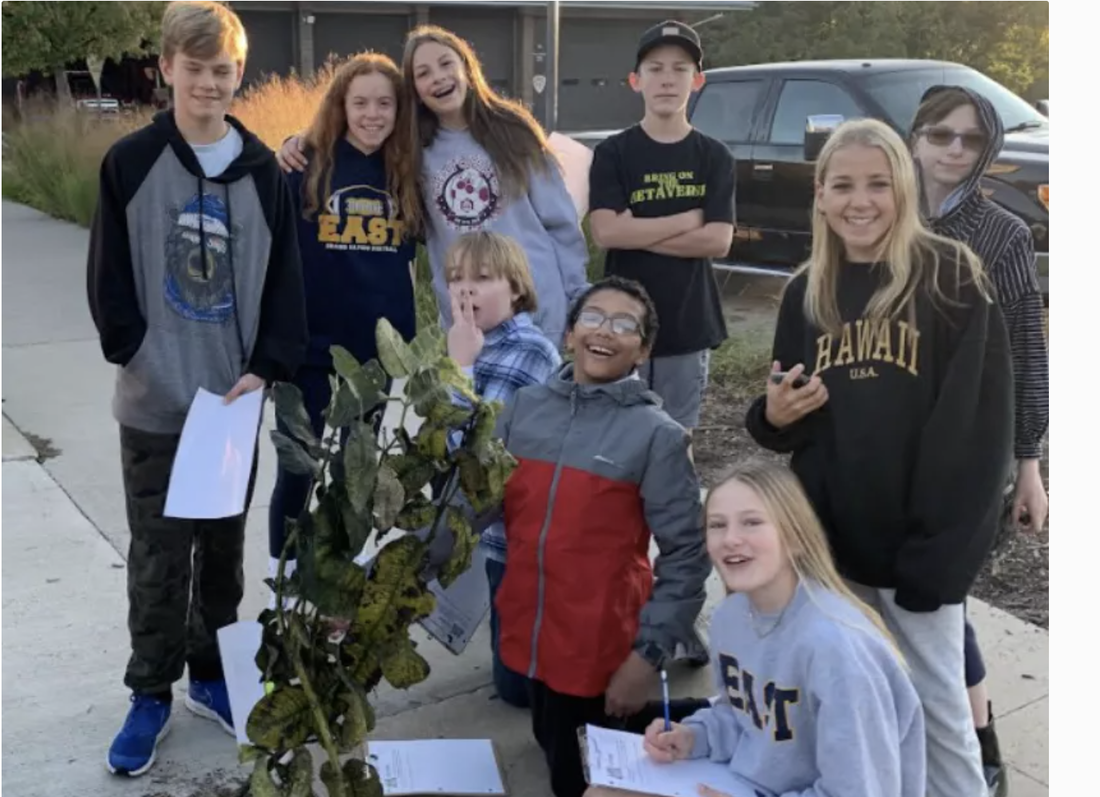
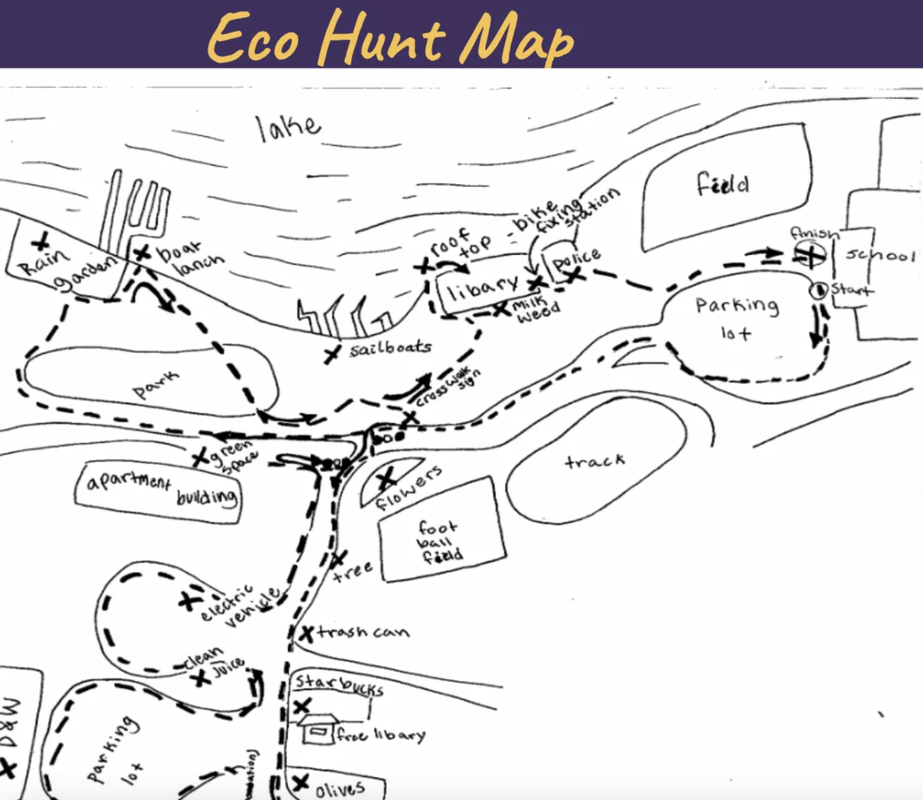
  • Students will go on an Eco Hunt in East Grand Rapids.  The students will receive a map and clipboards.   They will be responsible for exploring the city and looking for examples of how EGR is helping/not helping the environment. There will be signs around the city so  students have some guidance, as well as volunteer parents, to watch at the cross-walks and keep eyes out for any foul play.   
Picture
ECO HUNT MAP:
Picture
Picture
Stakeholders:
  • Community members
  • Students
  • Business owners
  • Homeowners
  • Elderly people
  • Athletes
​Empathy Building:
  • Stakeholder Map
  • Empathy Map
Inquiry / Need to Knows:
  • Warm up- Have students create a list of Need to Knows list in their SSN and share out.   Hopefully, this will serve 2 purposes (1) lead them into developing questions for the interview (2) give them something to work on/research if they finish their work early.
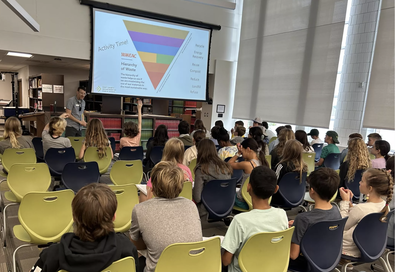
  • Invite a guest speaker from the Kent County Recycling Center.​
Picture
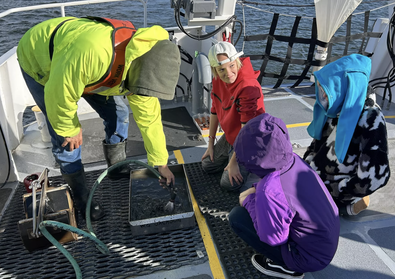
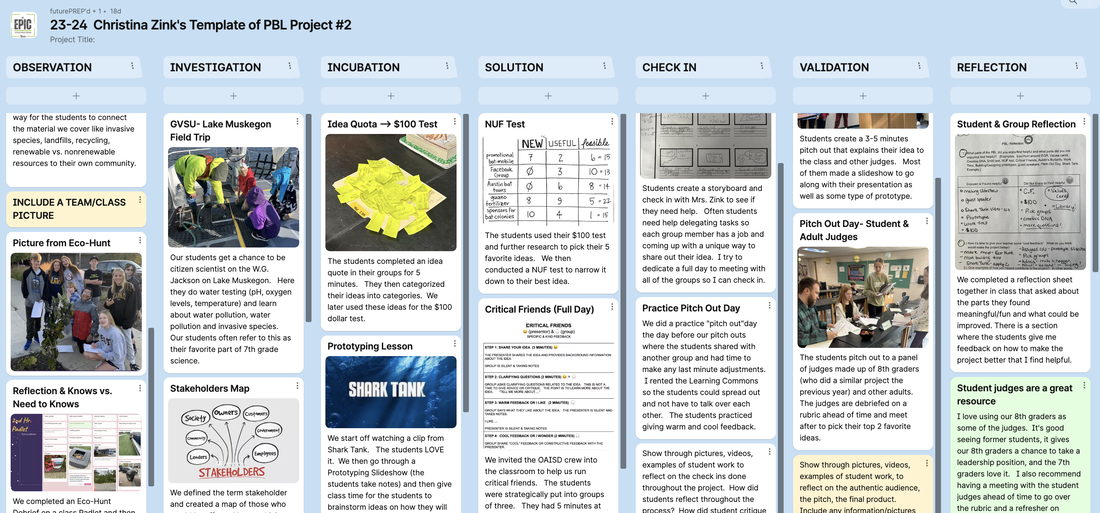
  • The students had a chance to be citizen scientist on the W.G. Jackson on Lake Muskegon. Here they do water testing (pH, oxygen levels, temperature) and learn about water pollution, water pollution and invasive species. ​
Picture
  • Conduct  interviews and research to gain further insights into the driving question.
Picture
Incubation:
  • After students conduct interviews as a group, they will  reach out to somebody on their own.   This could be parents, coaches, siblings, neighbors, etc. to ask questions.
  • Use the How Would _____ solve this problem?  to help students think of solution ideas out the box.
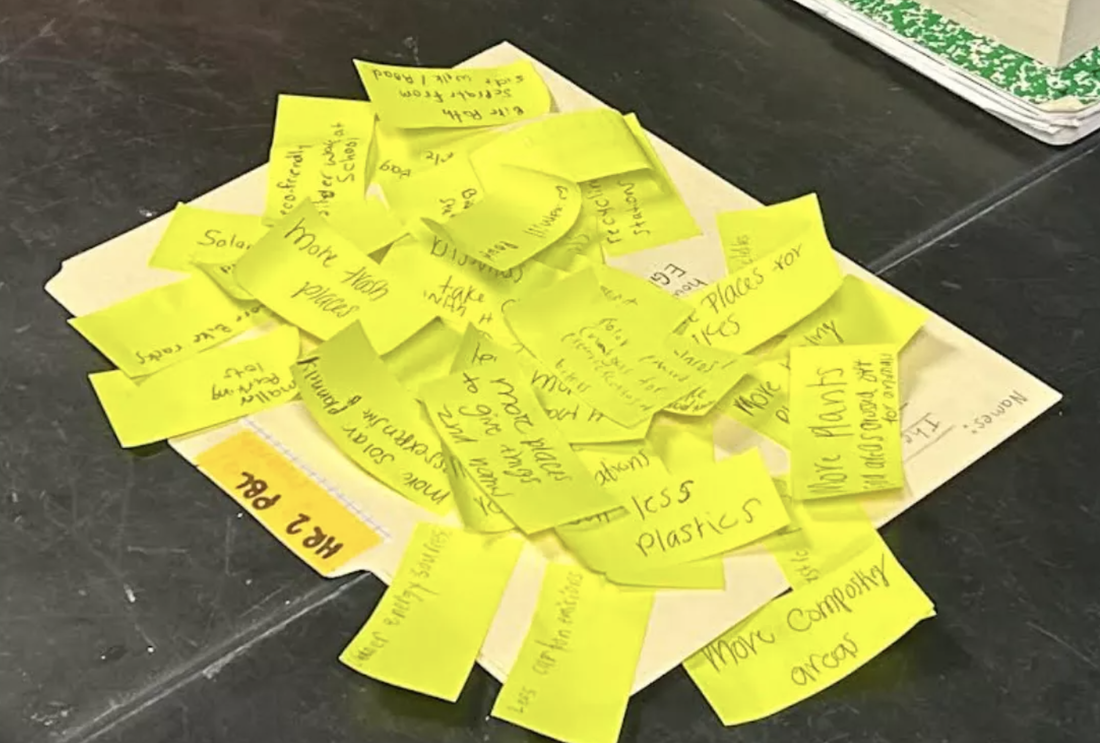
  • Idea Quota with post-its (5 minutes) to generate as many solution ideas as possible.​
Picture
​​
  • Saturate and Group ideas
  • Students will create Prototypes of potential solution ideas.
Picture
Checking in:
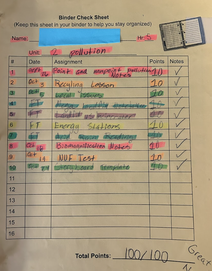
  • Binder Check - teacher will check with students periodically and address specific concerns. 
Picture
  • If possible, have students meet with older students, 8th graders, who will share their experience and answer questions students might have. 

Picture
Solution Building:
  • Use the $100 Test to compare the top 5 - 8 solution ideas.
  • Students will share the $100 Test results with a person from outside of the classroom.  They need to come back with 2-4 specific pieces of feedback for improving their ideas.
Critique and Revision: 
  • Use the NUF Test to narrow down and determine which idea the students will move forward with.   
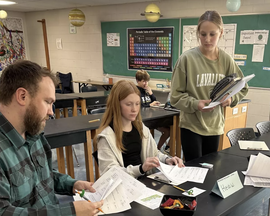
  • Critical Friends - futurePREP'd staff members attended a Critical Friends session to listen and share feedback with students.​
Picture
Authentic Audience:
  • 8th graders
  • Environmental Science Professor
  • Cody Zink
  • Nicole Gitler, future PREP'd Program Director
  • Administrators
  • Counselors
  • Teachers
Final Presentation:
  • Students created a Storyboard and checked in with the teacher prior to creating their final presentation. 
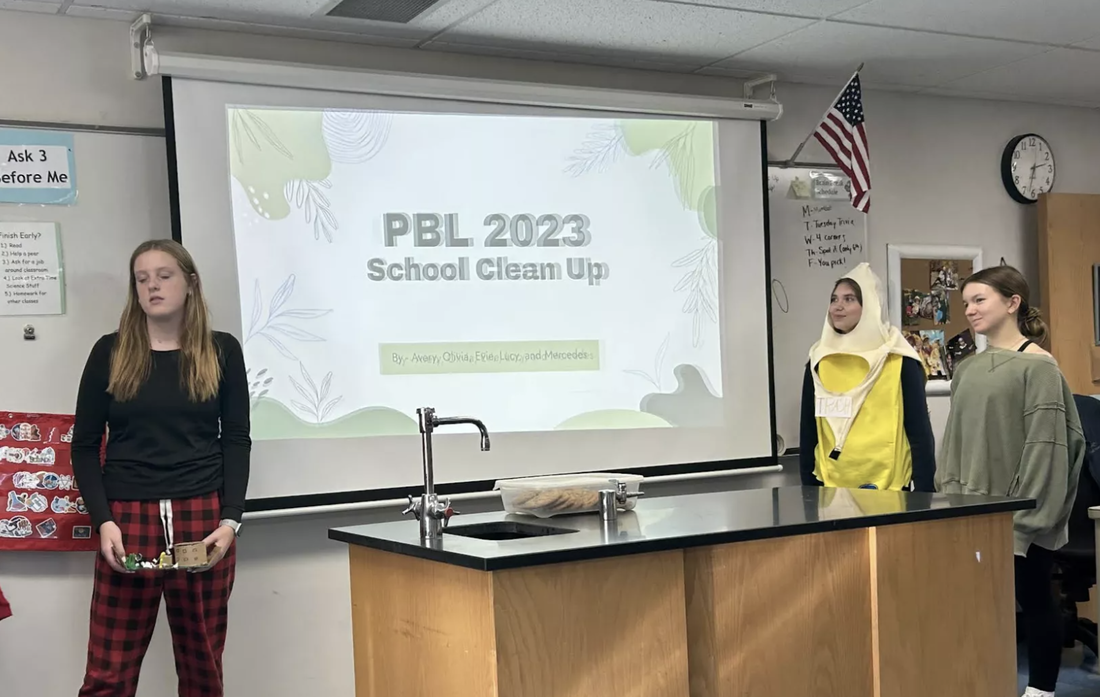
  • The students pitched out to a panel of judges made up of 8th graders (who did a similar project the previous year) and other adults. 
Picture
Picture
Click here for teacher's full plan.

​
Reflection and Feedback:
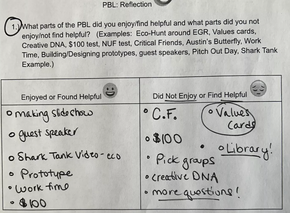
  • Students completed a reflection sheet together in class that asked about the parts they found meaningful/fun and what could be improved. ​
Picture
  • Panel for feedback:
Picture

Click here for the teacher's Journey through PBL on Padlet . . .
Picture
Meet the Educator:

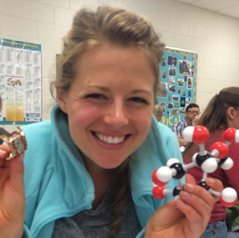
Christina Zink teaches Science and Health classes at East Grand Rapids Middle School.


     "PBL allows for students to work as a team to solve a problem while still giving the individual student a voice and choice in their own learning."

Picture
Picture
Picture
Picture
Picture
Picture
Picture
Proudly powered by Weebly
  • Home
  • Who We Are
  • PBL Experiences
    • ELE PBL Experiences
    • MS PBL Experiences
    • HS PBL Experiences
  • Resources
  • Protocol Examples
  • Community / Industry Partners