West Michigan PBL Network
  • Home
  • Who We Are
  • PBL Experiences
    • ELE PBL Experiences
    • MS PBL Experiences
    • HS PBL Experiences
  • Resources
  • Protocol Examples
  • Community / Industry Partners

                           Schools Around the World
                         
​                       
by:  
Kathryn Woodin & Lindsay Kleinjans ​
​​
OVERVIEW:


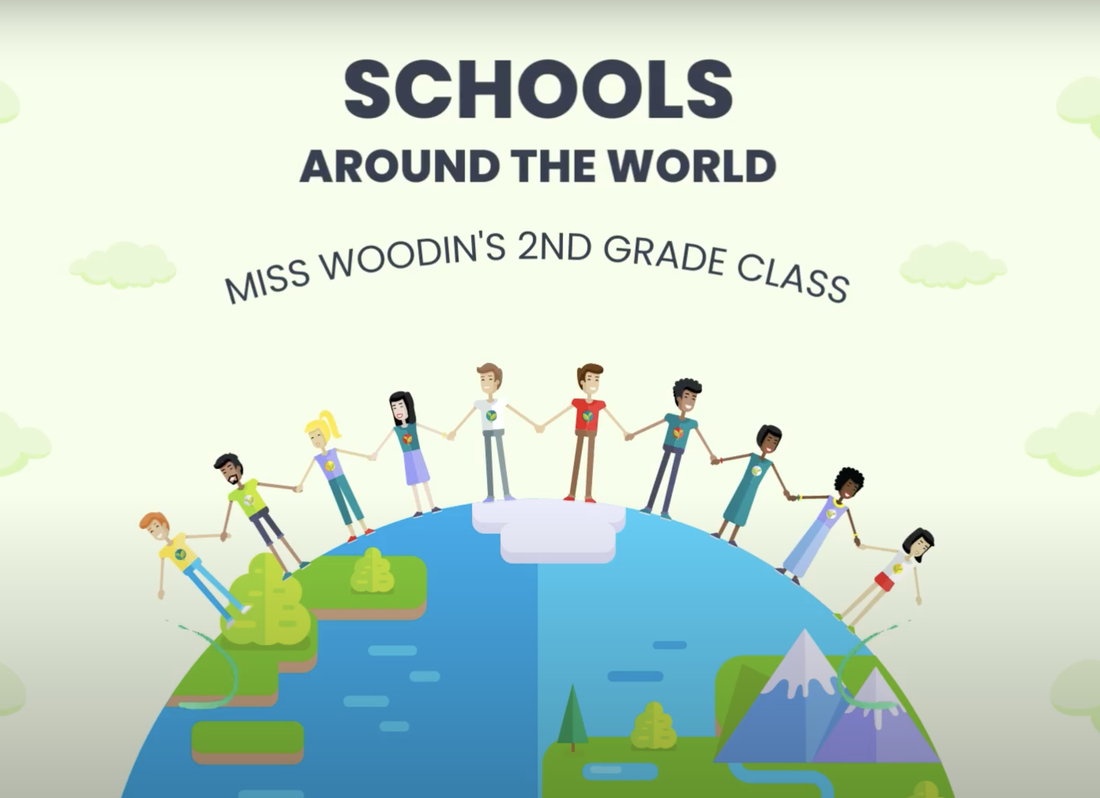
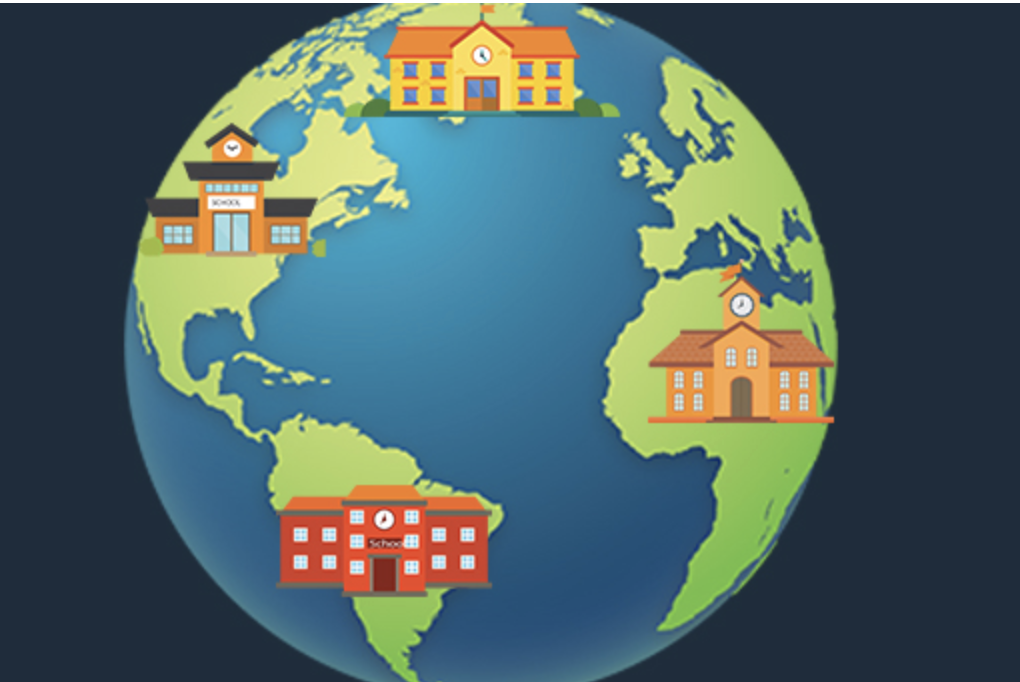
In our Schools Around the World Unit, students were connected with their local community as well as the broader global community to learn about different schools and their surrounding communities. Students researched these schools, interviewed other students, and shared about their own school community as well. As a culminating task, students created a video to portray their learning and shared it with those involved in the project. Additionally, the project focused on a variety of ELA standards including reading, writing, and speaking and listening standards.   

Picture
Picture
  • RI.2.1: Ask and answer such questions as who, what, where, when, why, and how to demonstrate understanding of key details in a text.
  • RI.2.2: Identify the main topic of a multi-paragraph text as well as the focus of specific paragraphs within the text.
  • RI.2.6: Identify the main purpose of a text, including what the author wants to answer, ex- plain, or describe.
  • W.2.2: Write informative/explanatory texts in which they introduce a topic, use facts and definitions to develop points, and provide a concluding statement or section.
  • W.2.5: With guidance and support from adults and peers, focus on a topic and strengthen writing as needed by revising and editing.
  • W.2.7: Participate in shared research and writing projects (e.g., read a number of books on a single topic to produce a report; record science observations).
  • SL.2.1: Participate in collaborative conversations with diverse partners about grade 2 topics and texts with peers and adults in small and larger groups.
  • SL.2.3: Ask and answer questions about what a speaker says in order to clarify comprehension, gather additional information, or deepen understanding of a topic or issue.
Picture
How are schools around the world similar and different?
Picture
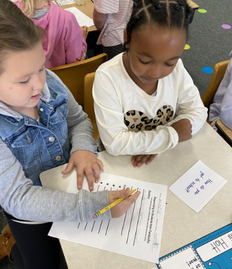
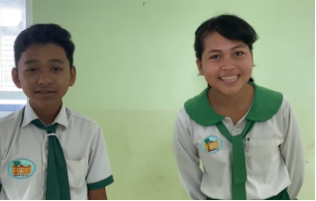
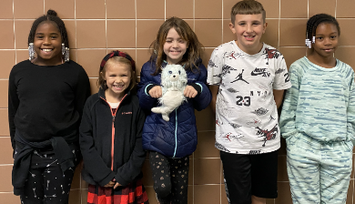
  • Students participated in several rounds of interviewing others about their experience with school (4th graders at Cardinal, administrators at Cardinal, exchange students, and students in Cambodia). Throughout this process they revisited their list of questions and gave each other feedback on how to make their questions better (i.e. changing their questions from a simple yes/no answer to a question requiring more of a detailed response). Students also found it helpful to look at the questions from students in Cambodia to see if they too wondered the same things. They also gave each other consistent feedback about their speaking and listening skills when interviewing and listening to their interviewees. Additionally, students took a very active role in the creation of our final video product, giving feedback on multiple aspects of the video (the order, the clips chosen, the background music, etc.). ​
Picture
Picture
Picture
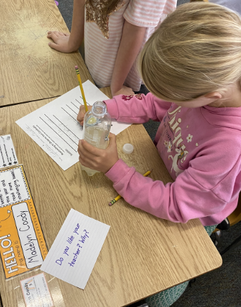
      “I thought it was interesting that we don’t talk in the same language and our classrooms look very different.”  ~ Arthur
Picture
Picture
     “I thought it was kind of cool that we felt shy and nervous, but so did the college students that came to talk to us even though they were older.”​     ~ Quinn   
Picture
Picture
  • Interviewing students right in the local community.
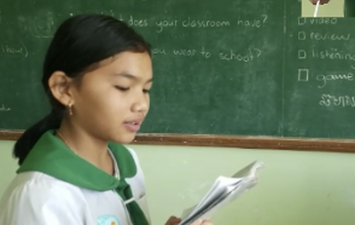
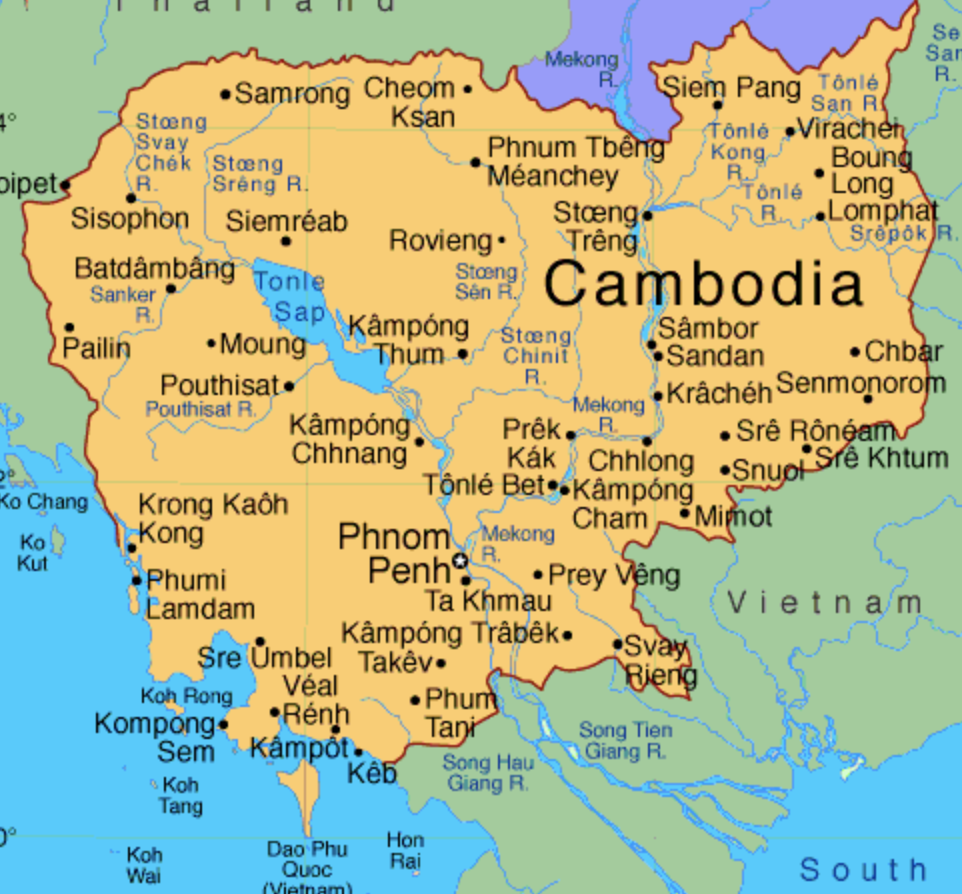
  • Interviewing students in Cambodia to provide a global perspective on school experiences.
  • Researching and watching real interviews to practice for our own interviews.​
Picture
Picture
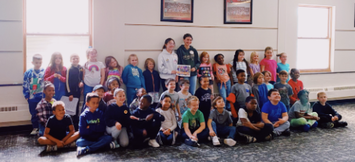
  • Students created a final video to document the entire process of their learning about schools around the world. The video portrays their interviews with various individuals in the local and global community, the driving question board process, as well as what they learned about schools around the world. This video was then shared with those involved: our community partners, families, and school community members.
Picture
Picture
  • Students had multiple opportunities to share their thoughts and opinions in the following ways: students choose who we interviewed, the questions that we asked interviewees, students were responsible for grouping and creating themes for their questions on the DQ board, students were highly involved in the creation of our final product, and students generally led the direction of their learning in this unit based on their own curiosities.
Picture
  • Exchange Students
  • ​School in Cambodia:   Britta Roth (teacher): Supported her class in communicating with my class.​
Picture
Picture
Picture
   
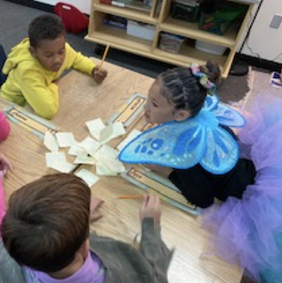
     "I think it was cool learning about other schools and it was really fun.”  ~ Sadie
​

      “I felt bad for the people in other countries that had to suffer all that pain, but I thought it was still good to learn about.”  ~ Colten
     
     “I felt happy when I was learning about this, because I had a lot of questions about schools around the world.” ~ Kennedy
     
Picture
Picture
  • Students consistently revisited the driving question board to reflect on their learning so far. They grouped questions by theme, and took questions off that they felt like they had learned about.
  • ​Students revisited the learning targets for the unit, and used our school’s grading system (1-4) to self-reflect on their progress towards these goals.
  • Students participated in multiple class discussions about how they felt they were doing with their interviewing skills, speaking and listening skills, and compared predictions and research notes about schools in other communities. 
  • At the end of the project, the class had a private viewing party where we watched the final video and celebrated their learning.
Picture


​
  • Project planning template
  • Project planner
  • Project photos
  • Project card                                                     

Meet the Educators:

Kathryn Woodin & Lindsay Kleinjans teach 2nd grade at Cardinal Elementary, Orchard View Public Schools.

     "I really enjoyed turning this Schools Around the World unit into a Project Based Learning opportunity for my students. The difference between teaching the curriculum as is and incorporating aspects of PBL was so effective, and I loved seeing how engaged my students were in the material. They became much more curious learners and much more capable of tying concepts across content areas, and it's something they still talk about months later. I think it was so important that we tie the curriculum concepts to authentic experiences in the real world, allowing students to really take ownership of and have a voice in their learning."  ~K. Woodin

     "Project Based Learning has been such an important part of the teaching and learning that has taken place in my classroom this year. Because of PBL, my students were able to make connections from the curriculum to real life. My students were truly engaged in the learning and they blossomed into curious, self directed learners. It was evident that having real world connections and community partners made this project authentic - my students loved connecting with real people and learning from their varying experiences."
Picture
Picture
Picture
Picture
Picture
Picture
Picture
Picture
Proudly powered by Weebly
  • Home
  • Who We Are
  • PBL Experiences
    • ELE PBL Experiences
    • MS PBL Experiences
    • HS PBL Experiences
  • Resources
  • Protocol Examples
  • Community / Industry Partners